

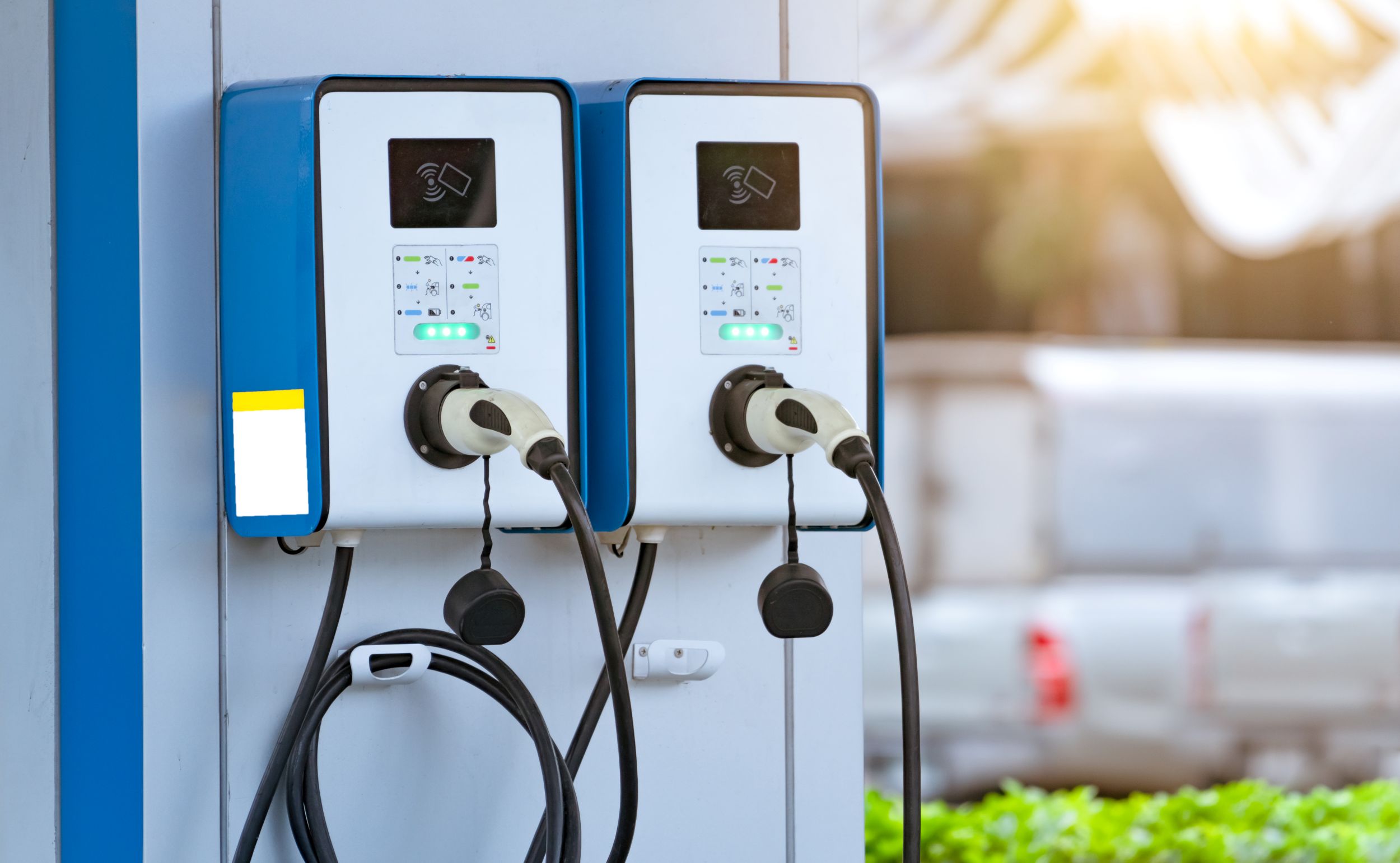
More than one in five new cars sold in Europe in 2024 were fully electric. This shows that adoption is growing fast as the appropriate infrastructure comes in, and drivers make use of incentives to switch to EVs.
But, while awareness of EVs and their benefits has grown, many are still unaware of how electric charging works and why it is different to petrol fueling.
This guide explains it all in simple terms.
How EV charging works
Electric vehicles have large lithium-ion batteries. When you plug in an EV, electricity flows into the battery to top up the energy used while driving.
It’s simple, but there’s a lot going on behind the scenes. These systems ensure charging is safe, efficient and compatible with your vehicle. Modern EVs have advanced software that constantly monitors temperature, voltage and power flow.
This software protects the battery from damage, degradation and maintains long term performance. Although you only see a cable and a charging point, the tech is clever and tightly controlled.
AC vs DC charging explained
Understanding the difference between AC and DC charging helps you choose the right charger for the job. The electricity in the workplace is Alternating Current (AC). EV batteries are Direct Current (DC).
When using AC charging, the vehicle’s onboard charger converts AC into DC. This limits the speed because onboard chargers are usually 3kW to 11kW.
With DC charging, the conversion happens inside the charger, not the vehicles. This means much higher speeds because the vehicle’s onboard charger is bypassed completely. Ultra-rapid DC chargers at many charging stations can do 350kW.
These high-power chargers use liquid-cooled cables and advanced internal hardware to manage heat during the charging process.
The vehicle’s Battery Management System (BMS) then controls how quickly the battery can take the power. The BMS constantly adjusts the charging speed to protect the cells from overheating or degrading.
You can think of AC charging as using a normal phone charger at home. DC charging is like a fast airport charger that fills your battery much faster.
What happens when you plug in
When you plug in your vehicle, a whole sequence of events happens instantly. The charger and the car talk to each other through the Open Charge Point Protocol (OCPP).
This “handshake” checks compatibility, confirms your charging speed and ensures the connection is safe. It also locks the cable in place to prevent accidental removal.
Once the vehicle and charger agree on the charging parameters, the charging provider authorizes payment. These systems connect to a data center and ensure your session is billed correctly.
After authorization, electricity starts flowing. The BMS manages the charging curve, so the battery charges quickly at first, then slows as it approaches full capacity.
This prevents cell damage and maintains long term performance. The whole process is automatic, smart and designed to give drivers a safe and reliable charging experience.
Types of EV chargers and connectors
Electric vehicle chargers come in different speeds and use several connector types. Understanding these helps you choose the right charger for the job.
Slow, fast and rapid chargers
EV chargers fall into three main speed categories:
Slow chargers (3kW–6kW)
- Common in older workplaces
- Best for overnight charging
- Add around 10–20 miles of range per hour
Fast chargers (7kW–22kW)
- Most home chargers are 7kW
- Public sites may be 22kW
- Add approx. 25–75 miles of range per hour depending on the vehicle
Rapid and ultra-rapid chargers (50kW–350kW)
- Found at motorway services, retail sites and EV hubs
- 50kW chargers are common for older EVs
- 150kW–350kW chargers are extremely fast top-ups
- Often use liquid-cooled cables for safety
A modern EV on a 150kW rapid charger can add 100–200 miles in under 30 minutes. The exact time depends on the battery size and the vehicle’s maximum charging speed.
How long does fleet charging take?
Charging time for fleet vehicles depends on charger power, battery size, ambient temperature, and the vehicle’s charging curve.
Batteries accept power faster at lower charge levels and slow down as they near full capacity to protect cell health. This behavior is consistent across most fleet vehicle types.
Estimated charging times:
- 7kW depot/workplace charger: 6–12 hours (ideal for overnight charging cycles)
- 22kW AC charger: 3–6 hours (useful for daytime top-ups)
- 50kW rapid DC charger: 45–90 minutes (suitable for mid-shift boosts)
- 150kW+ ultra-rapid charger: 15–40 minutes (for urgent turnaround needs)
Cold weather may increase charging times because batteries perform best within certain temperature ranges. Many fleet vehicles can pre-condition their batteries en route to a rapid charger to maintain efficient charging speeds.
Battery life and longevity
EV batteries are designed to last a long time. Most lose only a small amount of capacity each year.
Battery management and warranties
The Battery Management System (BMS) looks after the battery by controlling temperature, voltage and power delivery.
It ensures charging speeds are safe at all times. Many manufacturers offer long warranties. For example Nissan offers an 8 year or 100,000 mile battery warranty on many EV models.
The BMS also manages taper charging which reduces charging speed at high battery levels. This protects the cells and extends life. Drivers can further protect battery health by:
- Not charging to 100% too frequently
- Using rapid chargers only when necessary
- Keeping charge between 20% and 80% for everyday driving
These practices support long-term performance and reliability.
Charging points
Fleet operators now have more tools and charging options than ever before, so it’s easier to plan routes, manage depots and support vehicles working across different regions.
Modern platforms give real time visibility of charger availability so you can maintain uptime and keep vehicles on schedule.
Route planning for fleets
Most fleet managers and drivers use specialist route-planning tools or in-vehicle navigation systems to find charging points during operations. These give you:
- Real-time charger availability
- Connector compatibility across mixed fleet types
- Charging speeds to match your needs
- Tariff and pricing information
- User and fleet level reliability data
- Route planning with built in charge stops
These features help you plan efficient journeys, avoid congestion at charging points and get vehicles to destination without unnecessary downtime. Route planners are especially useful for long distance logistics, service fleets and last mile delivery.
Charging solutions when depot charging is limited
Not all fleets have access to large depot facilities or single site charging. Many organizations use a blended charging model to support drivers working off-site or across distributed regions. Options include:
- Workplace charging to support office or hub based drivers
- Kerbside charging in selected towns and cities for mobile workers
- Shared charging with other depot providers to use their stations during idle time
- Council led charging initiatives that expand local charging availability
- Business ready public rapid networks for time critical operations
- Charging at supermarkets, retail parks and service stations for ad-hoc top ups during the day
These options give flexibility for teams without centralized depot infrastructure and help you maintain vehicle availability wherever you are.
Frequently asked questions
What data can businesses collect from their EV chargers?
Commercial charging systems can collect data such as session duration, energy per vehicle, CO₂ savings, operational costs, downtime events. This data is used for ESG reporting, cost allocation and utilization analysis. Many businesses integrate the data into telematics systems to get a unified view of fleet performance and energy use across multiple sites.
How do fleets charge during peak operational hours?
Fleets can charge during off-peak hours by using automated charging rules that pause or slow charge during high demand windows. For example delivery fleets charge heavily overnight and then top up DC charging during quiet periods. Careful planning ensures vehicles are available and not consuming peak rate energy.
Are there security considerations when installing business chargers?
Yes. Chargers should have controlled access such as RFID cards, driver IDs or telematics integration to prevent unauthorized use. Cyber security matters too as smart chargers connect to the network. Businesses must ensure firmware updates, encrypted communication and secure authentication is implemented to protect charging data and fleet systems.
How do fleets charge mixed vehicle types or OEMs?
Most modern chargers support multiple vehicles through CCS connectors and built-in compatibility standards. For fleets with mixed OEM vehicles, management platforms can set charging limits and schedules per battery type. This ensures uniform reliability even when vehicles have different charging speeds, battery sizes and energy profiles.
Can EV charging infrastructure scale as a fleet grows?
Yes. Commercial charging solutions are designed to scale. Many fleets start with a few chargers and add more as more vehicles go electric. Modular systems, load management and pre-installed electrical groundwork makes adding more chargers easy later. Planning for future capacity from the start prevents costly reworks.
How do you charge EVs stored outdoors?
Outdoor chargers should be weather rated, vandal resistant and positioned to avoid cable hazards. Fleets should have clear signage and adequate lighting for overnight staff. Regular inspections ensure cables, housings and connectors are in good condition. Outdoor charging is common for vans and HGVs and is no operational disadvantage when planned well.
How do businesses minimize the impact of charging on their electricity demand?
Demand management tools spread charging across available capacity to prevent peak loads. Some fleets integrate renewable energy or battery storage to offset grid demand. Optimize shift planning and use managed charging windows to stay within contracted supply limits and be operational ready.
The future of EV charging
Charging infrastructure is growing and evolving rapidly. Networks like GRIDSERVE are building high power Electric Hubs and Electric Forecourts for fast and reliable charging. Businesses are also adopting advanced fleet-charging solutions, with providers like Hitachi ZeroCarbon offering scalable, smart infrastructure designed for commercial operations.
The UK Government EV Infrastructure Strategy outlines plans for 300,000 public chargers by 2030. Smarter systems, faster charging and wider access will support the continued transition to electric mobility.