

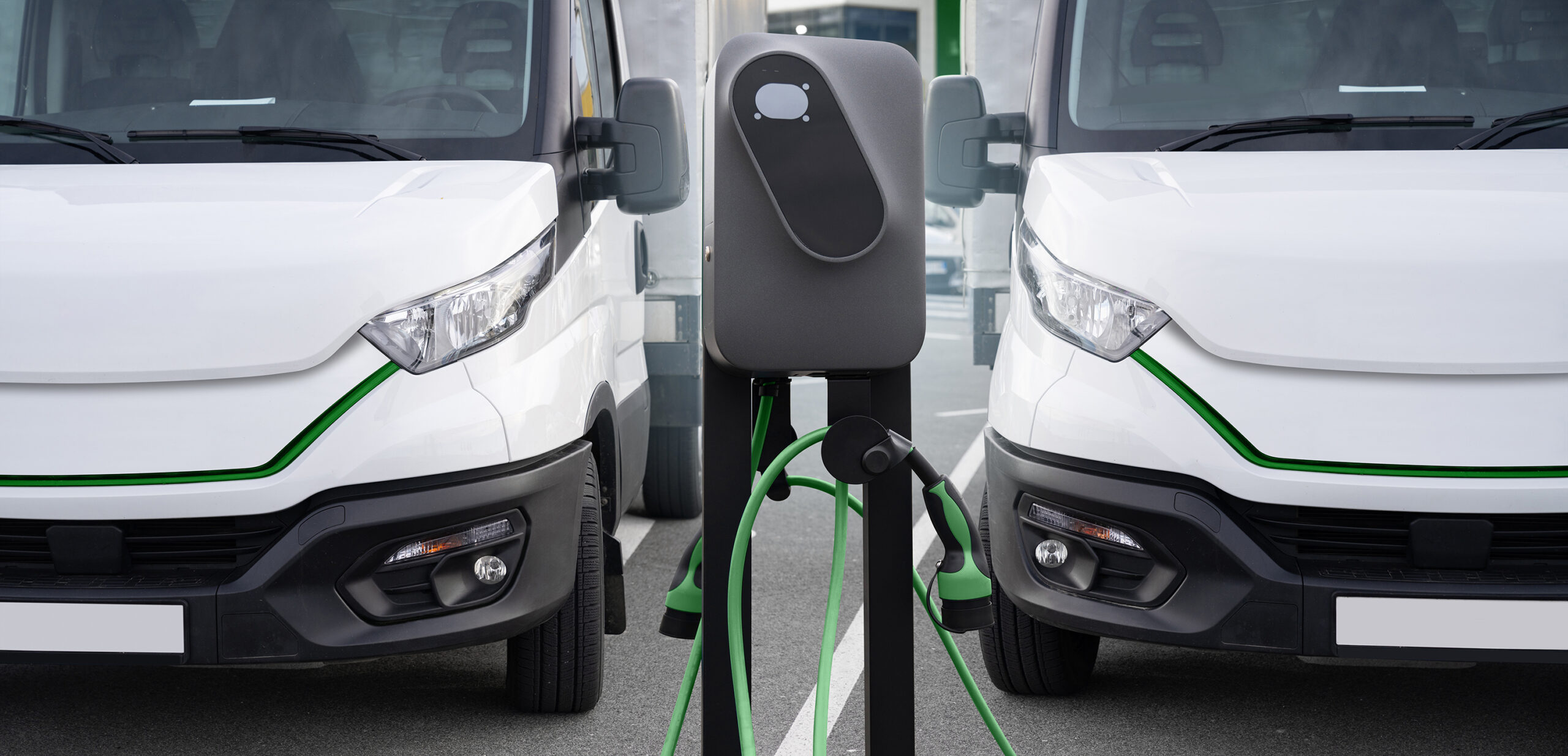
Across the world, electric vehicle (EV) options are improving, and incentives are still on the table, but charging infrastructure, utility coordination, and route readiness can make or break a commercial EV rollout.
Fleet operators, managers and drivers have the support options available to make the EV fleet transition a success, and there’s no better time than 2026 to start this journey.
Throughout the year, fleets should make it their objective to reduce risk, control costs, and stay ahead of regulatory pressure with EVs.
Key takeaways
- Commercial EV adoption is accelerating
- Transitioning to electric vehicles looks different for every company
- 2026 is an ideal timeframe because regulations, incentives, and infrastructure planning are converging
- Charging, routes, and total cost of ownership should be planned together
The good news is you don’t have to replace everything overnight. You can start with one route, one depot, and one pilot.
Why 2026 is the year for commercial EVs
EV adoption is growing across the globe, but progress is uneven depending on region, fleet size, and charging access. Still, several forces are making 2026 feel like a tipping point.
First, regulatory pressure is building. Countries are increasingly applying emissions reporting requirements, clean fleet policies, or incentives tied to electrification goals. For commercial fleets, this creates both urgency and opportunity.
Second, infrastructure is maturing. Public and shared charging services are expanding, but fleet-focused solutions like depot charging, utility partnerships, and managed charging software are maturing rapidly – and those early adopters are likely to benefit most.
Third, vehicle options are improving. Commercial EV availability has broadened across light-duty vans, pickups, select medium-duty vehicles and HGVs, which makes EVs more viable across more use cases.
Unlike consumers, fleets can’t make decisions based on personal preference. EV fleet decisions are about route reliability, downtime, charge and energy management, cost control, and operational consistency.
Why are fleets going electric?
The shift to electric vehicles is being driven by measurable business and environmental factors.
EVs can help support the reduction of tailpipe emissions and in turn help support business compliance and sustainability targets. For organizations with ESG reporting or customer-facing sustainability commitments, EVs can be a clear way to show measurable progress.
There are also operating cost advantages over time. While upfront EV costs can be higher, electricity can be cheaper per mile than gasoline or diesel, especially when charging is optimized off-peak.
At Hitachi ZeroCarbon, we can help you optimize your EV battery charging so you get the most efficient use out of your fleets.
EVs also offer more control over pricing. Fuel costs can swing wildly and unpredictably, but through smart charging and energy management, operators can always charge vehicles at the lowest possible price.
If your organization has carbon reduction goals, the transition to electric vehicles aligns directly with those objectives without changing your core service model. If you’re building a longer-term roadmap it can help to start with a structured approach to fleet decarbonization before you evaluate vehicle replacement timelines.
Charging infrastructure and operational readiness
It’s not enough to buy EVs. You need a reliable plan for where and when vehicles will charge without disrupting operations.
Most fleets will use a combination of:
- Depot charging (often the most cost-effective and controllable option)
- Workplace charging (useful for shared fleets or shift-based operations)
- Public charging (best as backup, not the primary plan)
- Home charging (sometimes relevant for take-home vehicles)
Utility coordination matters more than many fleets expect. Upgrading transformers, adding new electrical capacity, and getting permits can take time to plan and get right.
Likewise, infrastructure should be designed to scale, because even if you start with five EVs, your electrical layout and charging management approach should support twenty-five later. Planning ahead helps avoid expensive rework and operational disruption.
If you’re weighing the business case, it may help to review fleet electrification costs, benefits, and challenges so vehicle decisions and charging infrastructure are evaluated together.
Charging investment is a key transition trend
Public charging expansion is supported by major funding initiatives, like the $7.5 billion allocated through the Infrastructure Investment and Jobs Act in the U.S. to help build a nationwide EV charging network.
But most commercial fleets still cannot rely on public charging alone. Permitting timelines, utility upgrades, and scalable depot charging infrastructure are often the make-or-break factors. Especially when vehicles need to charge consistently overnight or between shifts.
Range anxiety vs. real-world fleet operations
Range anxiety is still one of the biggest reasons fleets hesitate, but range concerns often look different in real-world commercial use.
Many commercial fleets operate on predictable routes and duty cycles. If your vehicles return to base daily and average a defined mileage, EV range becomes easier to manage than it is for unpredictable consumer driving.
Battery technology is improving, and charging speeds are also trending in the right direction. While not every EV can meet every route requirement yet, many local and regional routes are already EV-friendly today.
The best way to reduce uncertainty is data. Telematics and route analysis can show:
- average daily miles per vehicle
- driving patterns and behaviors (that can impact range)
- idle time patterns
- dwell time at stops
- opportunities for planned charging windows
With the right information the “range anxiety” conversation can shift from initial hesitation to forward-thinking operational math.
Cost considerations and total cost of ownership
Purchase price matters, but total cost of ownership (TCO) matters more.
EVs often cost more upfront, but they can reduce lifecycle expenses through:
- lower operating costs
- less maintenance (no oil changes, fewer moving parts)
- less brake wear (regenerative braking)
- simplified maintenance schedules
Incentives and tax credits can also change the math depending on your fleet type and how vehicles are purchased or financed. Timing matters here, as some programs have limited funding windows or changing eligibility requirements.
Common myths and misconceptions
Do all fleets have to be electric by 2026?
No. There is no national rule that every fleet vehicle must be electric by 2026, but many fleet operators will face local regulations, customer expectations, or contract requirements around that time.
What will happen if we all switch to electric fleets?
For fleets the bigger question is whether local utilities and charging infrastructure can support scaled deployment. That’s why most operators plan a phased rollout.
Should you switch to commercial EVs in 2026?
Yes! Switching in 2026 helps:
- you to have predictable routes within EV range
- you to have access to depot or reliable charging
- you to lower or have more predictable fuel and maintenance costs
- you to meet sustainability goals
- you to be compliant with regulations now and in the future
A phased approach can help you to:
- start small, test and pilot EV use-cases
- optimize charging installation and patterns
- make a series of investments in your fleet, rather than one financial outlay
- educate and train your fleet drivers and engage them in the EV transition
- measure your progress and build long-term business case for EV fleets
For more guidance your team may benefit from reviewing a commercial EV fleet transition plan that includes vehicles, infrastructure, operations, and cost planning.
Next steps for fleet operators
If you’re considering electric vehicles, take these steps first:
- Assess routes, vehicles, and charging needs
Identify which vehicles are best suited for early electrification. - Run a pilot
Start small, choose a consistent route, and document results. - Measure from the start
Track energy cost per mile, uptime, maintenance events, and charging performance.
Ready to explore what fleet electrification could look like for your business? Contact Hitachi ZeroCarbon to discuss your fleet goals, charging needs, and next steps.